Construction
How wind, storms, cold and heat affect a construction programme, and when landscaping can and can’t be planted.
Lukasz Kisiel

20 December 2021
We were still feeling the impact of Storm Arwen when Storm Barra hit the UK earlier this month. Storm Arwen brought gusts of up to 98 mph and was described by the Met Office as one of the most powerful and damaging winter storms of the last decade.
Adverse weather can delay a development and push back completion. Under many building contracts, exceptionally adverse weather can entitle the contractor to an extension of time, as it is outside their control. Planning your start date can help you build in a time contingency for weather.
Working in wind needs sound judgement. Wind speed increases with height, so lifting and work at height must be carefully assessed when high winds are forecast. Anemometers on cranes, access platforms and scaffolding give live readings, so work can stop when wind reaches the safe limit for people and machinery.
When high winds are forecast, scaffolding must be checked and loose materials secured.
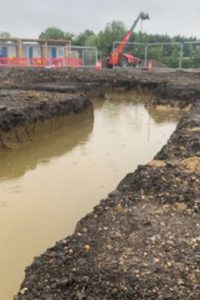
Storms bring heavy rain and flooding. A lot of rain in a short time can fill foundation trenches, and if it happens day after day, pumping out causes extended delays. Materials that can be damaged by water must be stored dry to avoid losses and the delay of re-ordering.
Mortar and grout need warmth to set. If temperatures drop too low, curing slows or stops, weakening the masonry bond. Frozen mortar loses compressive strength and water resistance, so work must be planned around conditions.
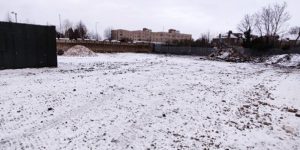
Digging foundations in frozen ground takes longer, and cold also slows productivity on site.
In summer, heat can make mortar dry too quickly, leaving too little water for a good bond and increasing the risk of leaks. Keeping the workforce cool and productive is also a challenge.
Landscaping usually happens near the end of a project. Finish too late in the year and conditions may not suit planting until spring. As a guide:
If the soil is frozen or waterlogged, planting must wait, so timing matters.

You can’t change the weather, but you can plan for it. Watching local forecasts for extreme events and having contingencies in place for wind, storms, floods and heat keeps a development on track.
The sun sits low on bended knee,
It fights to spend more time with me,
The cold this morning makes it clear,
Autumn’s passed and winter’s here.
For those that hone their craft outside,
Who grab their tools and graft with pride,
You have some gruelling work to do,
You should be proud, we’re proud of you.
It may get wet, you will be cold,
Your joints may ache, you may feel old,
With all respect and truth be told,
Your grit is worth its weight in gold.
Tell us about it. You will speak to the people who make the decisions.