Landowners
Where to find development land in the UK: choosing an area, exploring on foot, building contacts, and the main types of site to look for.
Kisiel Group
22 June 2021
Where do you find a plot of land to buy in the UK? There are many routes, and we cover some of them here, but the best is through the contacts you build. The more people you talk to, the more likely you are to meet someone who knows of land for a house, a block of apartments or a small development. Building those connections takes time. To be taken seriously, share your experience and show your intent.
Focus your search on an area. Research takes time and you don’t want to be overstretched. But stay flexible, as opportunities can appear just outside your patch.
Websites are a good starting point, but get out into the area too, as many opportunities are not yet on the market.
Spend time driving around, and walk the back streets. The best sites are often hidden away.
One developer did just that: he spotted a narrow side road, walked round the bend and found an empty commercial building. He went on to convert that brownfield site into a block of apartments just off a main road in London.
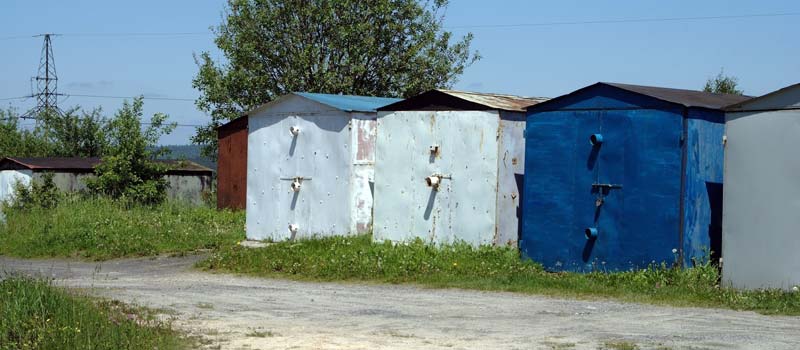
As well as infill sites and empty garage blocks, think upwards. Airspace development above existing buildings is now much more common in the UK.
It is never too early to build connections.
Estate agents specialise in selling homes, so also look for land agents with experience of selling development land. Get to know them personally. If you show your experience and that you are serious, they are more likely to tell you about opportunities before they reach the market.
Get known in the local business community. Surveyors or architects may know of a project and introduce you to a client, or a business owner may be thinking of selling their premises.
Build a rapport with the council’s planning team, and watch for outline planning applications, as those sites are often sold soon after. Land with outline permission costs more, but can still be viable.
There is no harm in talking with competitors. Joint ventures let you pool expertise and take on bigger schemes than you could alone.

Brownfield sites: councils must keep a Brownfield Land Register of previously developed land. You may need a change of use or have to stay close to the original footprint, but services are often already in place.
Greenfield sites: land not previously built on, in the countryside or between houses. Green Belt opportunities are scarce.
Public land: government bodies and councils must be transparent when selling land, so watch for when sites are publicised.
Backland sites: building in back gardens, often combined with neighbouring gardens, is popular in towns with high housing demand. Viable access and careful attention to privacy are essential for planning.
Auctions: good plots sometimes go to auction when an owner expects strong interest. Do your research beforehand and don’t get carried away by the bidding.
There is no set price, and valuing land is not a precise discipline. Ask a dozen people to value a plot and you may get twelve answers. Read our guide on how to value a building plot.
A plot with planning permission costs more than one without. There is no perfect plot, but a sound estimate of what the finished homes will be worth is the key to unlocking the potential of any site.
Tell us about it. You will speak to the people who make the decisions.